Monday, November 24, 2014

Reaction to Participatory Culture

 t

In the above video, Michael Anti, a Chinese blogger, describes how his country censors the internet to prevent the spread of information that could potentially harm the government. This clip shows how although the web provides users the ability to voice their opinions and dissent, the state may use methods to exert control. Indeed, people voluntarily posting their views can serve as fantastic way for those in power to conduct surveillance on the populace.

Source: Behind the Great Firewall of China. Michael Anti (Zhao Jing). TED, 2012. Web.

Tuesday, November 18, 2014

The Internet Revolution

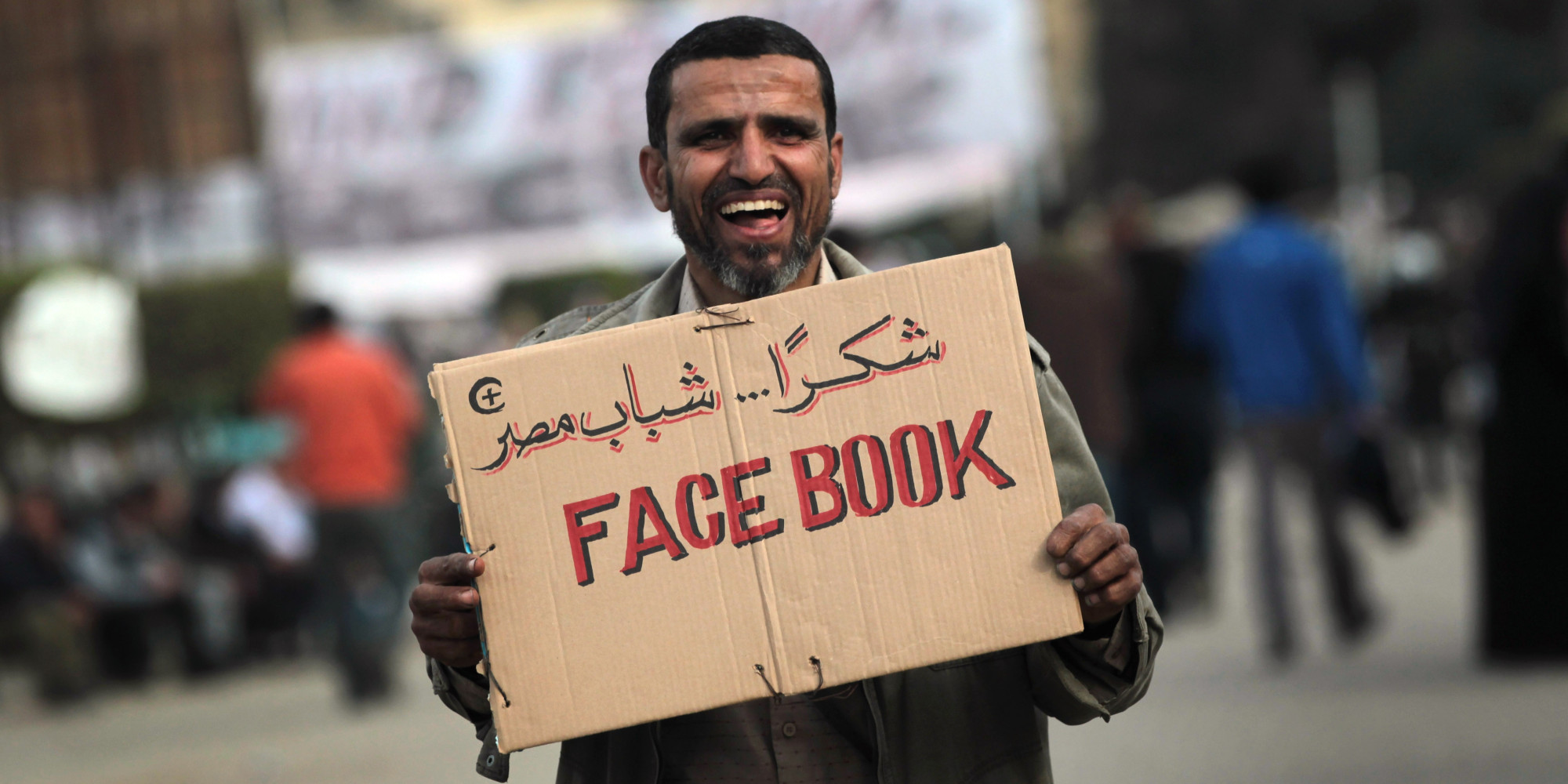
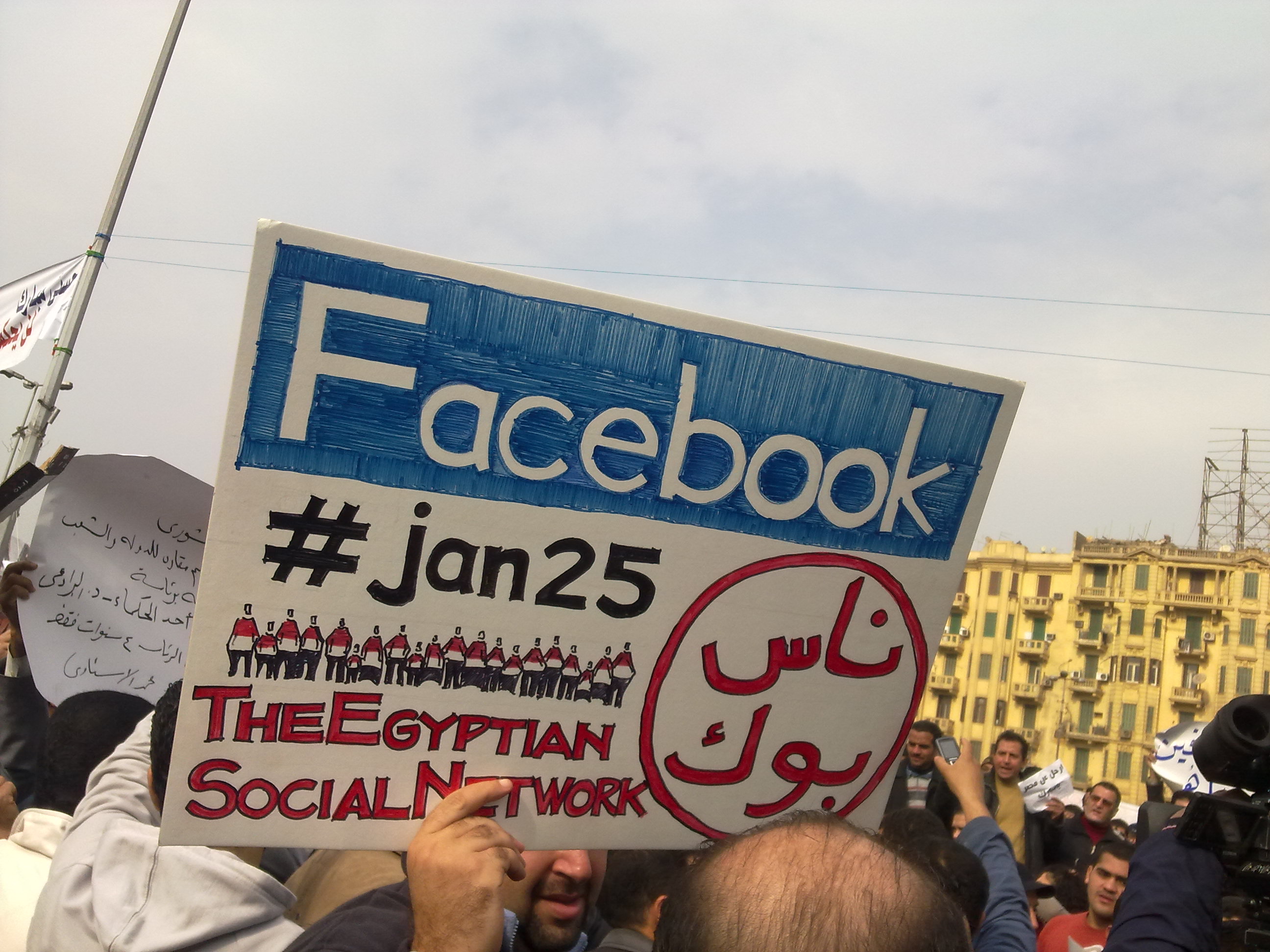
In addition to social media's capacity to promote government reforms, it can also play a role in uprisings. In 2010, the internet helped galvanize support for democratic revolutions in across the Middle East. Known as the Arab Spring, a series of political protests overtook Tunisia, Libya, Egypt and Syria. Although several governments took attempted to censor the internet, their efforts came too little too late. The accompanying pictures demonstrate digital media's place in the revolts.


Tuesday, November 11, 2014

Participatory Politics


With social media, the propensity for grassroots movements to gain widespread support has substantially increased. Internet users have the ability to voice their opinions and concerns on public platforms, potentially catalyzing social change. Barack Obama's 2008 presidential election, in particular, heavily recruited volunteers from online venues. Some have suggested that as the internet provides a vehicle for reach all citizens, we could see a return to a form of direct democratic governance. Switzerland already has instituted monthly referendums on key issues.

Thursday, November 6, 2014

Professional vs. Amateur


With participatory cultures, both professionals and relative novices can contribute and spread information. With YouTube, anyone can produce content and distribute it online. Professionals and amateurs thus exist in what communications scholars Burgess and Green refer to as a "co-creative environment," meaning each group can interact with and build up off of the other. While a knowledge gap exists between the two parties, the gap in availability of intellectual resources continues to decrease as more and more publications can be accessed via the internet. This sets up a fusion of grassroots and traditional media platforms. Although various conflicts between the old authorities of information and the new have yet to be resolved, society is moving towards a different paradigm of how work and information is valued as legitimate.


Source: Burgess, Jean E. & Green, Joshua B. (2009) The entrepreneurial vlogger: participatory culture beyond the professional-amateur divide. In Snicars, Pelle & Vonderau, Patrick. (Eds.) The YouTube Reader. National Library of Sweden/Wallflower Press, Stockholm, pp. 89-107.